Introduction
Today, we delve into the ultimate mystery of ancient coins, focusing on the Huangyou Yuanbao from the Northern Song Dynasty. This coin, officially documented in history, has mysteriously vanished for nearly a thousand years. Despite being a currency from the reign of Emperor Renzong of Song, its existence is rarer than national treasures, with fewer than ten known specimens worldwide. While it should be a highlight of ancient Chinese coin collection, over half of the known coins are lost overseas, making it nearly impossible for domestic collectors to see one in person.
Every time this coin appears abroad, it stirs the hearts of collectors in China. Some call it a “forgotten treasure of history,” while others lament its loss as a “permanent regret” in the ancient coin collecting community, questioning why this Chinese artifact frequently disappears overseas and remains elusive to return.
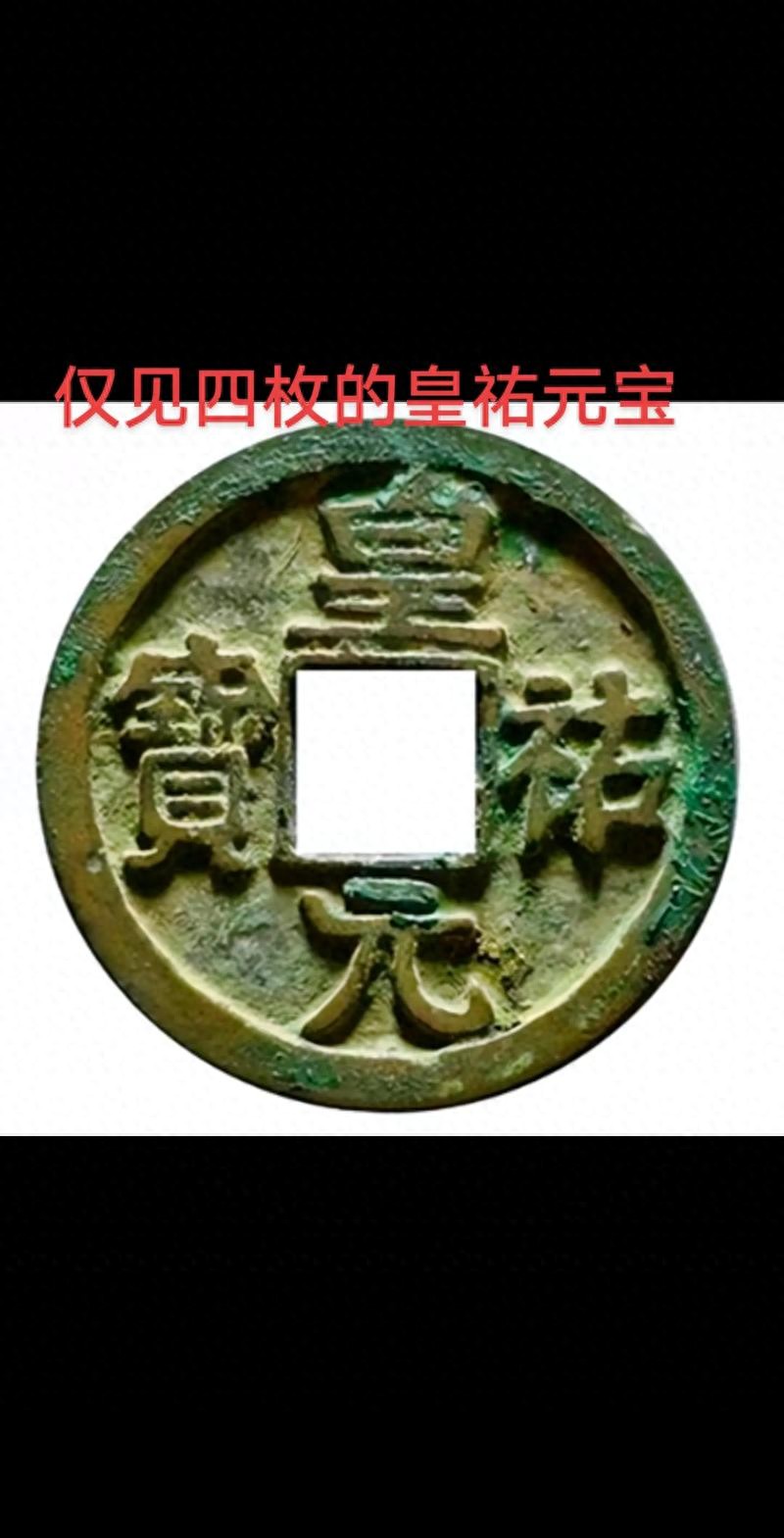
In this article, we will thoroughly investigate all mysteries surrounding the Huangyou Yuanbao, from its historical background and documented evidence to the reasons behind its overseas loss, techniques for identification, and its collection value and challenges for return. Whether you are a novice collector or a seasoned enthusiast, this exploration will reshape your understanding of this legendary Northern Song treasure.
Historical Background: The Official Coin of the Song Dynasty
To understand the mystery of the Huangyou Yuanbao, we must first explore its origins. It was minted during the Huangyou era (1049-1054) of Emperor Renzong Zhao Zhen, and it is officially recognized as a government-issued currency, not a later fabrication.
The Northern Song Dynasty was a peak period in Chinese monetary history, characterized by unprecedented economic prosperity and commercial development, leading to a high demand for currency. The emperors of the Northern Song often changed their reign titles, and with each change, they ordered the minting of new coins for circulation, contributing to the diverse and complex types of Northern Song currency.
Emperor Renzong Zhao Zhen was the longest-reigning emperor of the Northern Song (42 years) and used several reign titles, including Tian Sheng, Ming Dao, Jing You, Bao Yuan, Kang Ding, Qing Li, Huang You, Zhi He, and Jia You. Each title had corresponding coins, such as Tian Sheng Yuanbao, Ming Dao Yuanbao, and Qing Li Zhongbao, which, while not rare, can occasionally be found in the antique market.
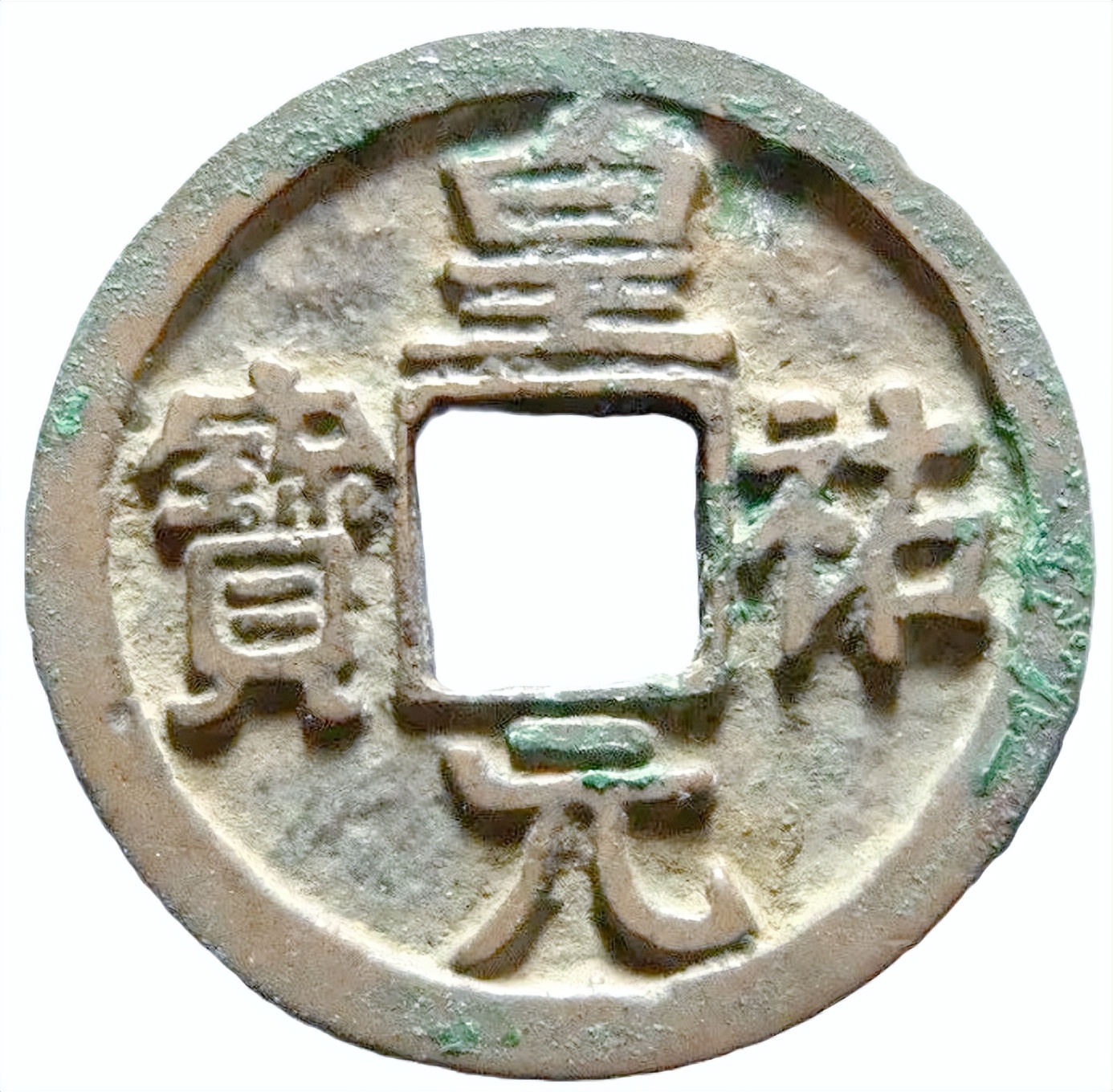
During the Huangyou period, which lasted five years, it was expected that coins would be minted. Historical records from the authoritative text “Xu Zizhi Tongjian Changbian” confirm this: “In the eleventh month of the first year of Huangyou, an edict was issued to mint Huangyou Yuanbao to reward the ministers.”
This statement clearly indicates that in November of the first year of Huangyou (1049), Emperor Renzong ordered the minting of Huangyou Yuanbao to reward court officials. Additionally, the renowned numismatist from the Qing Dynasty, Weng Shupei, found more detailed records in the lost fragments of the “Yongle Dadian,” confirming the specifications and styles of the coin.
Despite the historical documentation and scholarly validation, the Huangyou Yuanbao mysteriously vanished from the ancient coin community in China from the end of the Northern Song to the Republican era, with no one encountering an authentic specimen for nearly a thousand years. This strange phenomenon puzzled many enthusiasts and scholars: if there were clear historical records, why was there no physical evidence? Did the coin never exist, or was it destroyed or lost throughout history?
Interestingly, coins from the same era, such as Qing Li Zhongbao and Zhi He Yuanbao, while not abundant, can occasionally be found in the antique market. In contrast, the Huangyou Yuanbao seems to have never existed, disappearing without a trace.
This situation of having documented evidence but no physical specimens persisted until the early 20th century when, in 1905, a British missionary discovered a bronze coin inscribed with “Huangyou Yuanbao” at an archaeological site in Kaifeng (the Northern Song capital). This discovery shocked the numismatic community, confirming the existence of the Huangyou Yuanbao, which matched the descriptions in the “Yongle Dadian” perfectly. Unfortunately, this first discovered specimen was taken back to England by the missionary and is now housed in the British Museum, marking the beginning of the coin’s overseas loss.
Over the next century, a few more authentic Huangyou Yuanbao coins were found domestically, but most were acquired by foreign collectors and museums, leading to a significant scarcity remaining in China.
Why is Huangyou Yuanbao So Rare?
In the collecting community, there is a saying: “Scarcity makes value.” The rarity of Huangyou Yuanbao, often referred to as the “giant panda” of ancient coins, is primarily due to its extremely limited number of surviving specimens—fewer than ten worldwide, most of which are in poor condition, with less than three in excellent condition.
Many wonder why, despite the economic prosperity of the Northern Song and advanced minting techniques, the Huangyou Yuanbao is so rare. The reasons behind this scarcity can be attributed to three key factors:
1. Special Minting Purpose
According to historical records, the Huangyou Yuanbao was not minted for general circulation but specifically to reward court officials and nobles. This means that the coin was intended as a “reward coin” rather than a currency for public transactions. The minting volume for circulating currency typically ranges from hundreds of thousands to millions, while reward coins are minted in much smaller quantities, likely only a few hundred or even dozens.
Moreover, the minting of Huangyou Yuanbao may have been a one-time event, as there are no further records of its minting after the initial order. Most of the coins awarded were kept by the recipients as symbols of status and rarely circulated among the public. Over time, many of these coins were buried with their owners as burial goods, leading to their loss or destruction.
2. Historical Turmoil
During the late Northern Song, constant warfare and the invasion by the Jin dynasty led to the fall of the Northern Song. Following the capture of Kaifeng, many valuable artifacts, including the Huangyou Yuanbao, were destroyed or taken away. The subsequent centuries of conflict and regime changes resulted in further losses, with many coins melted down for weapons or tools.
3. Complex Minting Techniques
The Huangyou Yuanbao was crafted with exceptional minting techniques, resulting in a low yield of finished products. The coin was made from high-quality copper and required meticulous craftsmanship, making it difficult to produce without flaws. Many coins produced had defects, leading to their destruction, further reducing the number of surviving specimens.
In summary, the rarity of Huangyou Yuanbao is a result of its special minting purpose, historical turmoil, and complex minting techniques, making it one of the most mysterious and sought-after coins from the Northern Song.
The Overseas Loss of Huangyou Yuanbao
While the rarity of Huangyou Yuanbao has made it a top collectible, its frequent loss overseas is a source of permanent regret for domestic collectors. Currently, more than six of the fewer than ten known specimens are housed in foreign museums, including the Metropolitan Museum of Art in the U.S., the British Museum, the Tokyo National Museum in Japan, and the Louvre in France, with only one or two remaining in China, one of which is a damaged specimen in the National Museum of China.
Collectors often wonder why this coin, a testament to Chinese history and culture, has frequently been lost overseas. The reasons behind this phenomenon are historical and contemporary, each provoking deep reflection.
1. Colonial Exploitation
The loss of Huangyou Yuanbao began in the late Qing Dynasty. Following the Opium War in 1840, foreign powers invaded China, looting and plundering precious artifacts, including the Huangyou Yuanbao. During the Boxer Rebellion in 1900, British soldiers seized a specimen from the Forbidden City, which later became the first Huangyou Yuanbao in the British Museum.
2. Demand from Overseas Collectors
The rarity of Huangyou Yuanbao has attracted attention not only from domestic collectors but also from overseas collectors, especially after the 1980s, when the ancient coin collecting market surged. The prices of Huangyou Yuanbao skyrocketed, making it a coveted item for collectors abroad.
3. Weak Domestic Protection
For a long time, awareness of artifact protection in China was weak, particularly regarding ancient coins. Many people did not recognize the value of Huangyou Yuanbao, treating it as ordinary copper coins, leading to its destruction or loss.
4. High Costs and Legal Barriers for Return
Even if we recognize the value of Huangyou Yuanbao now, the difficulty and cost of retrieving lost specimens from abroad are significant. Many are held by overseas museums or private collectors who spent substantial amounts to acquire them, making it nearly impossible to obtain them back without exorbitant costs.
The Authenticity of Huangyou Yuanbao
Due to its extreme rarity and the lack of physical specimens for nearly a thousand years, many experts have questioned the authenticity of Huangyou Yuanbao, with some believing it never existed. This skepticism persisted until the 1980s when several authentic specimens were discovered, confirming its existence.
Identification Techniques for New Collectors
Given the prevalence of fakes in the market, new collectors must learn how to distinguish authentic Huangyou Yuanbao coins from replicas. Here are some straightforward techniques for identification:
1. Examine the Inscription
The inscription on Huangyou Yuanbao is in a precise script, characterized by detailed strokes and a dignified structure. Focus on the clarity and precision of the characters.
2. Measure Dimensions and Weight
Authentic specimens have strict standards for diameter, thickness, and weight, which can help differentiate them from fakes.
3. Assess Minting Quality
The craftsmanship of authentic coins is exceptional, with clean edges and clear inscriptions. Look for signs of poor quality in replicas.
4. Verify the Source
Always purchase from reputable dealers or auction houses to ensure authenticity.
Market Value in 2026
The value of Huangyou Yuanbao has skyrocketed, with prices exceeding ten million yuan. As of 2026, the market for these coins is booming, with prices increasing by 15%-20% annually.
Conclusion
Huangyou Yuanbao is not just a coin; it is a symbol of history, culture, and the challenges of preserving our heritage. While many of these coins remain lost overseas, there is hope for their return as awareness and appreciation for Chinese artifacts grow. Collectors are encouraged to approach the market with caution, recognizing both the opportunities and risks involved in ancient coin collecting.
Comments
Discussion is powered by Giscus (GitHub Discussions). Add
repo,repoID,category, andcategoryIDunder[params.comments.giscus]inhugo.tomlusing the values from the Giscus setup tool.